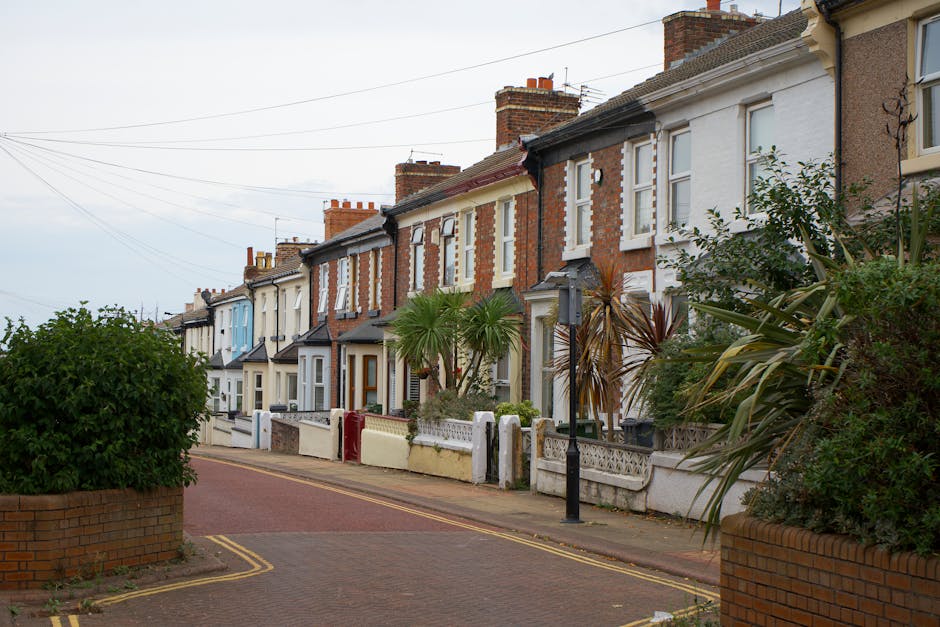
Rubbish removal Hayes Lane Bromley terraced houses: a practical guide for tight access, awkward stairways and everyday clearances
If you live in one of the terraced houses around Hayes Lane in Bromley, you will know the pattern: bins fill up quicker than expected, the hallway narrows the moment a sofa is moved, and suddenly that "small clear-out" turns into a full-on logistics problem. Rubbish removal Hayes Lane Bromley terraced houses is not just about getting rid of clutter. It is about making sure waste leaves the property safely, efficiently and without turning your front path, stairwell or shared access into a nuisance.
In terrace homes, space is often the real issue. Front gardens can be small or absent, rear access may be limited, and parking can be awkward enough on a normal day. Add bulky furniture, loft junk, builders' debris or garden waste, and you start needing a clear plan rather than a quick lift-and-go approach. This guide walks through how the process works, what to expect, where people commonly go wrong, and how to make the whole thing far less stressful.
For readers comparing services, it can also help to look at the wider options available, such as general waste removal, house clearance, or furniture disposal depending on what you actually need taken away. The best choice is usually the one that fits the property, the access, and the type of waste. Simple enough in theory. In practice, well, terraced houses like to keep things interesting.
Key takeaway: In a terraced house, the smartest rubbish removal plan is the one that respects access, neighbours, timing and the type of waste. That is where smooth clearance happens.
Why Rubbish removal Hayes Lane Bromley terraced houses Matters
Terraced houses create a very specific waste-removal challenge. The homes are close together, access is often shared or narrow, and there is usually less room to stage items before collection. That means clutter can block hallways, reduce fire safety, make cleaning harder, and add friction to everyday life. A pile of old furniture by the stairs is not just ugly; it can become a genuine practical obstacle.
In a row of terraces, one badly planned clearance can affect the next property too. Noise, bins left out too long, or waste blocking a shared path can create tension with neighbours. And let's face it, nobody wants to be the house everyone remembers for the wrong reason. If you are clearing a rental, preparing for sale, or just trying to get your own space back, doing it properly matters.
There is also the question of mixed waste. In real homes, rubbish is rarely one neat category. You may have old mattresses in one room, garden cuttings at the back, broken shelving in the loft, and a few bags of general rubbish you never quite dealt with. That mix can change the best removal method. For bigger domestic jobs, services like home clearance or flat clearance can be a better fit than trying to treat everything as standard bin waste.
It also matters because terraced homes often attract "just leave it outside" thinking. That can backfire. Items left on a pavement or front path may be in the way, may attract attention, and may not be collected the way you expected. A planned removal protects you from that muddle.
How Rubbish removal Hayes Lane Bromley terraced houses Works
The process is usually straightforward, but the details matter more in terraces than in larger detached homes. It tends to start with a quick description of what needs clearing, where the property is, and how access works. The better the description, the better the clearance plan.
A typical rubbish removal in a terraced house follows a pattern like this:
- Identify the waste: separate general rubbish, bulky furniture, garden waste, building debris and anything that might need special handling.
- Check access: look at front steps, narrow halls, rear lanes, shared side access and parking constraints.
- Estimate volume: a few bags is very different from a loft full of old furniture and boxes.
- Arrange the collection: agree a suitable time that avoids rush hour, school runs or neighbour disruptions if possible.
- Remove carefully: items are carried out in a way that avoids damage to walls, bannisters, floors and doorframes.
- Sort for reuse, recycling or disposal: waste should be separated sensibly, not just dumped into one pile and forgotten.
For some jobs, especially where the property has bulky items or a lot of repeated furniture, furniture clearance may be the most efficient route. If the work involves bags of mixed rubbish after decorating or repairs, then builders waste clearance can be more appropriate.
One thing that surprises people is how much time access can save or cost. A terraced house with a clear front path, tidy hallway and good parking nearby can be cleared much faster than a house where everything has to be threaded through a tight stairwell. That is normal, by the way. Not a failure. Just the reality of terrace living.
Key Benefits and Practical Advantages
Good rubbish removal does more than empty rooms. It gives you back usable space, reduces stress, and makes the property easier to manage. In a terraced house, those gains are often felt immediately because every square metre counts.
- Better use of space: rooms feel bigger when boxes, old furniture and broken items are gone.
- Safer pathways: hallways, stairs and exits become easier to use again.
- Less neighbour friction: no long-running "when are those bags going?" situations.
- Quicker turnarounds: useful for end-of-tenancy, sale prep or renovation work.
- Reduced DIY strain: you avoid multiple trips, heavy lifting and awkward van loads.
- Cleaner finish: the result feels properly done, not half-finished.
There is also a practical financial angle. If waste removal is organised efficiently, you may avoid repeated small trips, parking tickets, damage to your own walls or the cost of replacing something you scratched while dragging it down the stairs. That last one happens more often than people admit.
For some households, rubbish removal is part of a broader reset. A loft clear-out may lead to a better-insulated roof space. A garage clear-out may free up storage for bikes, tools or prams. If that sounds familiar, related services like loft clearance and garage clearance can make the job feel much more manageable.
Who This Is For and When It Makes Sense
This kind of service is useful for a wide range of people, not just homeowners with a full-scale clear-out. In fact, many jobs are smaller and more practical than that.
You may need rubbish removal if you are:
- moving out of a terraced house and need the place emptied quickly
- preparing a home for sale or rental
- decluttering after years of storage build-up
- dealing with a deceased estate or a relative's property
- clearing renovation debris after plastering, flooring or a kitchen update
- making space in a loft, shed, cellar or under-stairs cupboard
- removing garden waste after pruning, landscaping or a seasonal tidy-up
It also makes sense when the waste is too awkward for normal bin collections. Bulky chairs, broken wardrobes, wet plasterboard offcuts, old carpet rolls and branches all create their own little problems. If you are trying to do it yourself, you will soon discover that "one quick tip run" has a very annoying habit of becoming three. Or four.
Tenants, landlords, letting agents and small business owners also use these services. A landlord may need a property cleared between tenancies. A tenant may need a fast exit after a move. A local tradesperson may need help removing demolition waste after light building work. If the waste is commercial rather than domestic, a page like business waste removal may be the more relevant direction.
Step-by-Step Guidance
If you want the process to run smoothly, a bit of preparation goes a long way. Nothing fancy. Just common sense and a few tidy habits.
1. Walk through the property first
Start at the front door and move through each room. Note anything bulky, sharp, heavy, dusty or fragile. Check the loft, shed, under stairs and garden corners. It sounds obvious, but these are the places where forgotten rubbish likes to hide.
2. Separate the waste types
Try to group items into categories:
- general household rubbish
- furniture and bulky items
- garden waste
- builders' waste
- items that may be reusable or recyclable
This makes the job easier to plan and often easier to price. It also helps avoid that messy "everything in one pile" situation that nobody wants to sort through later.
3. Measure access properly
For terraced houses, access is often the hidden complication. Check the width of doorways, stair bends, front steps, low ceilings in lofts and whether parking is available close enough for loading. A 20-second photo set can save a lot of guesswork.
4. Protect surfaces and shared areas
Use a sheet, old blanket or protective covering where items may scrape a wall or bannister. If you share a passageway, be considerate. Small things matter here. A brief pause to avoid blocking the neighbour's entrance can make the whole day feel calmer.
5. Schedule the removal at a sensible time
Early morning can work well for large jobs, but only if everyone involved is ready. Midday may suit quieter streets. The main thing is to avoid unnecessary disruption. Terraces can echo, and a trolley on paving slabs makes a surprising amount of noise at 7am.
6. Confirm what will and will not be taken
Not every clearance covers the same materials. Some items may need separate handling. If you are unsure, ask before the day arrives. A little clarity now saves a lot of back-and-forth later.
Expert Tips for Better Results
After enough clearances, a few patterns become obvious. The difference between a smooth job and a frustrating one is usually preparation, timing and honesty about the volume of waste.
Be realistic about the load. A single wardrobe may look manageable until it is halfway down a narrow staircase. Tell the truth about the size and condition of heavy items. If something is waterlogged, broken or unusually bulky, say so.
Keep a clear path to the exit. Shoes, plant pots, recycling bags and little furniture pieces all slow things down. You would be surprised how much time is lost stepping around things nobody thought mattered.
Label what stays and what goes. In family homes or shared properties, this is essential. Put a visible note on the items that are definitely leaving. Otherwise, somebody will ask "Are you sure about that lamp?" at the worst possible moment.
Think about what can be reused. Some furniture and household items may still have life left in them. It is often worth setting aside anything in decent condition before the main clearance starts.
Use the clearance as a reset. Many people clean skirting boards, vacuum stair treads and wipe down shelves while the rooms are empty. It is one of those small wins that feels bigger than it should.
For domestic clearances involving mixed household contents, the best planning often starts with a broader service such as house clearance. If the problem is mostly a pile of odds and ends after several months of accumulation, a more general home clearance can work well too.
Common Mistakes to Avoid
People usually do not get rubbish removal wrong on purpose. They just underestimate the awkward bits. That is all.
- Leaving it too late: booking on the day you need the space back is stressful and leaves little room for access issues.
- Guessing the amount of rubbish: vague estimates lead to surprises. Surprises are fine for birthdays, less so for waste loads.
- Forgetting about access: narrow doors, steep stairs and on-street parking can change the whole job.
- Mixing everything together: it is harder to separate usable items from waste once they are all in one heap.
- Ignoring neighbours: noise, blocked paths and bins left out too long can cause avoidable friction.
- Trying to move dangerously heavy items alone: mattresses, wardrobes and white goods can be awkward and potentially risky.
Another common mistake is assuming every service is the same. It is not. A company that handles a standard household clear-out may be the wrong fit for a refurb with rubble and offcuts. Likewise, a builders' clearance is not always ideal for a delicate furniture job. Matching the service to the job matters. Simple, but easily missed.
And yes, sometimes the real mistake is optimism. "That should only take half an hour." Famous last words, honestly.
Tools, Resources and Recommendations
You do not need a warehouse of gear to prepare for rubbish removal, but a few simple tools help a lot. The aim is not perfection. It is reducing friction.
- Strong bin bags or rubble sacks: useful for general waste and smaller loose items.
- Permanent marker: for labelling items, bags or rooms.
- Protective gloves: useful when handling dusty, sharp or dirty items.
- Dust sheets or blankets: help protect bannisters, floors and door frames.
- Measuring tape: handy for checking bulky furniture against doorways or stair corners.
- Phone camera: a few clear photos can help explain the job quickly.
For planning purposes, it is often useful to review a provider's practical information rather than just the service headline. Pages such as pricing and quotes, recycling and sustainability, and insurance and safety can help you understand what to expect from a professional clearance process.
If the job involves a lot of mixed waste rather than just furniture or household clutter, the more general waste removal service is often the best place to start. It gives you a wider umbrella to work under when the contents of a terrace house are not neatly boxed into one category.
Law, Compliance, Standards, or Best Practice
Waste removal in the UK is not just a matter of lifting things into a vehicle and driving off. There are legal and practical expectations around handling waste responsibly, keeping people safe, and making sure rubbish is dealt with through proper channels.
For homeowners, the main thing is to avoid fly-tipping, unsafe storage, and careless disposal. Even if you are not the person physically removing the waste, it still pays to understand that waste should be handled by a responsible operator. That includes sensible sorting, safe loading, and proper disposal or recycling where appropriate.
In a terraced street, compliance also has a neighbourly dimension. Do not leave waste where it blocks pavements or entrances. Do not assume shared spaces are fair game. And do not place sharp, dusty or unstable items out front without a proper plan. It may seem minor in the moment, but it can quickly become a problem for other residents.
Best practice usually looks like this:
- clear identification of the waste type
- safe movement through the property
- careful loading to reduce damage or spillage
- sorting recyclable and reusable items where practical
- respect for neighbours, shared access and local street conditions
If you are comparing providers, look for clarity around safety, handling, and how the work will be done. A tidy explanation is usually a good sign. A vague one is not necessarily wrong, but it does mean you should ask more questions.
Options, Methods, or Comparison Table
There is more than one way to clear waste from a terraced house. The right method depends on volume, access and the type of rubbish involved.
| Method | Best for | Strengths | Watch-outs |
|---|---|---|---|
| DIY skip or self-load approach | Larger jobs with time to organise | Can suit longer projects and repeated loading | Needs space, planning and good lifting discipline |
| Professional rubbish removal | Most terraced house clearances | Fast, convenient, less disruption | Needs accurate description of waste and access |
| House or home clearance | Whole-property or room-by-room clear-outs | Good for mixed contents and larger domestic jobs | Less ideal for small, single-item removals |
| Furniture-focused disposal | Sofas, wardrobes, tables, beds | Simple when bulky items are the main issue | Not the best fit for mixed rubbish |
For a Hayes Lane terrace, a professional approach often wins because access is tight and the job is usually more mixed than it first appears. A self-managed option can still work, of course, but only if you are comfortable with the lifting, sorting and timing. No shame either way. The best method is the one that leaves the property clean without leaving you exhausted.
Case Study or Real-World Example
Imagine a typical terraced house near Hayes Lane: a family has lived there for years, and the property is full of life in the normal way. The loft holds Christmas boxes, old toys and broken suitcases. The front room has a worn sofa that is too heavy to shift easily. In the garden, there is a pile of branches and a few cracked plant pots. Upstairs, there are cardboard boxes from an old move that nobody has opened in ages.
On paper, it sounds like "a few bits". In reality, it is a mixed clearance spread across the house, with a narrow staircase, limited parking and not much spare time. The smartest approach is to sort the waste into clear groups, keep routes open through the house, and remove the bulkiest items first. That way, the smaller items become easier to reach and the house starts feeling clearer almost immediately.
The family might choose a general waste removal service for the mixed household clutter, then handle the old furniture separately if needed. If they are clearing everything before a sale, a more complete house clearance may be better. The point is not the label. It is matching the service to the real situation in the house.
By the end, the hallway is usable again, the loft is no longer a mystery zone, and the garden looks like part of the home rather than a storage corner. Small victory? Maybe. But on a damp Wednesday afternoon, that kind of victory feels pretty good.
Practical Checklist
Use this checklist before the collection day. It keeps the job moving and avoids the last-minute panic that so often appears right before the van arrives.
- Identify all items to be removed
- Separate general rubbish, furniture, garden waste and building debris
- Check stairs, door widths, tight corners and access routes
- Make sure parking or loading access is understood
- Protect floors, walls and bannisters where needed
- Set aside any items you want to keep
- Remove obvious hazards such as loose nails, broken glass or unstable piles
- Tell neighbours if the clearance may affect shared space
- Confirm timing and any special handling requirements
- Have payment, paperwork or job notes ready if needed
Small extra tip: if you are unsure whether something is waste or worth keeping, move it to one side and decide after the obvious items are gone. That simple pause prevents a lot of regret.
Conclusion
Rubbish removal Hayes Lane Bromley terraced houses is really about solving a space problem with minimal disruption. The right approach saves time, reduces stress and helps your home feel usable again, which is the whole point. Terraced properties have their own quirks, but with clear planning, sensible access checks and the right type of clearance, the job becomes much more straightforward.
If you are comparing options, look for a service that understands narrow access, mixed waste and the realities of terrace living. A little preparation goes a long way here, and so does choosing the method that fits the property rather than forcing the property to fit the method.
Get a free quote today and see how much you can save.
When the clutter is gone and the hallway feels open again, the house just breathes a bit easier. Funny how that changes everything.
Frequently Asked Questions
What is the best way to arrange rubbish removal for a terraced house on Hayes Lane?
The best way is to list the waste clearly, check access carefully, and choose a service that can handle narrow stairways, limited parking and mixed household items. For many homes, a general waste removal or house clearance approach works well.
Can bulky furniture be removed from a terraced house without damaging walls?
Yes, provided the items are moved carefully and the route is planned in advance. Protecting bannisters, corners and floor surfaces helps a lot, especially on tight stairs and turns.
How do I know whether I need home clearance or furniture disposal?
If most of the items are general household clutter, a home clearance is usually the better fit. If you mainly need sofas, beds or wardrobes removed, furniture disposal or furniture clearance may be more suitable.
What if my terraced house has very limited access?
Limited access is common and can still be managed. It helps to share photos, measure doorways, and explain whether items must pass through a narrow hall, steep stairs or a rear passage.
Is it better to clear the whole house at once or room by room?
That depends on the volume of waste and your timeline. A whole-house approach is often best for moves, sales or major decluttering. Room by room can suit slower, staged clear-outs.
Can garden waste be taken away with household rubbish?
Sometimes yes, but it depends on the service and the type of waste. Branches, hedge cuttings and old plant pots are often handled separately from general household rubbish, so it is worth confirming in advance.
How far in advance should I book rubbish removal?
As soon as you know the date you need. Terraced houses can require a bit more planning, and booking early gives you more flexibility if access or volume changes.
What should I do before the collection team arrives?
Keep the exit route clear, separate items into rough groups, and remove anything you definitely want to keep. A short walk-through before arrival can save a lot of confusion.
Are there special concerns with waste in shared terrace areas?
Yes. Shared paths, close neighbours and small front spaces mean you should avoid blocking access or leaving items out too early. Be considerate and keep everything contained until the agreed collection time.
Can rubbish removal help when I am preparing a property for sale or rent?
Absolutely. Clearing clutter makes rooms look larger, improves first impressions and helps the property feel more presentable. For landlords and sellers, that can be a very practical advantage.
What happens to items that are still usable?
That depends on the condition of the items and the removal process. Reusable furniture or household goods may be separated where appropriate, while damaged or unsalvageable items go through the proper disposal route.
Is there a difference between general waste removal and builders' waste clearance?
Yes. General waste removal is better for mixed domestic rubbish, while builders' waste clearance is better for heavier debris from renovation or repair work. Choosing the right one usually makes the job simpler and more efficient.
How do I avoid stress on collection day?
Prepare early, be honest about what needs removing, and leave a clear path from each room to the exit. Honestly, that one habit prevents most of the stress people feel on the day.